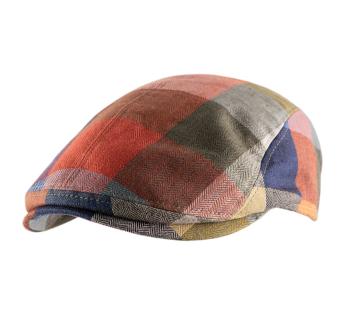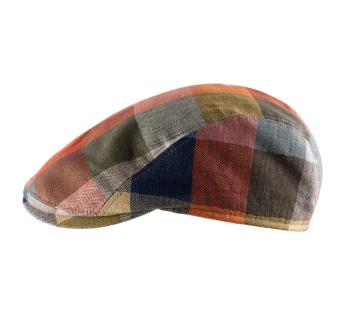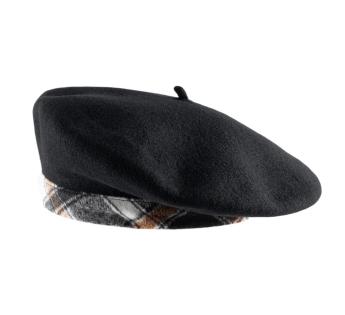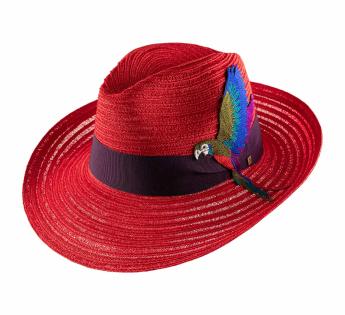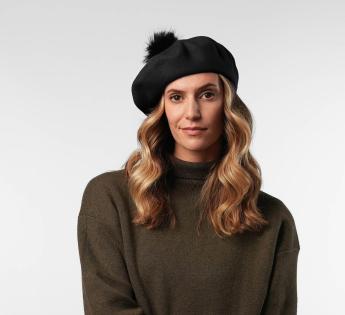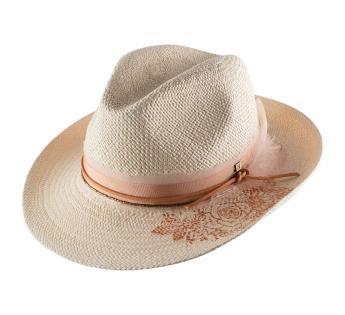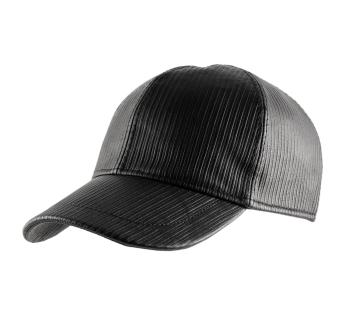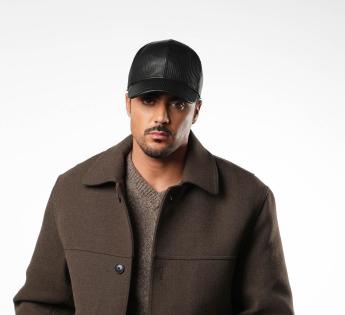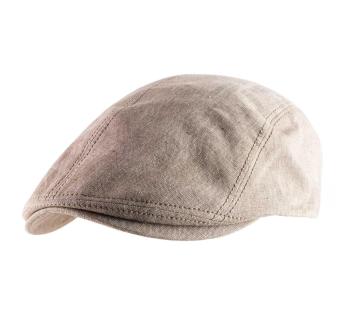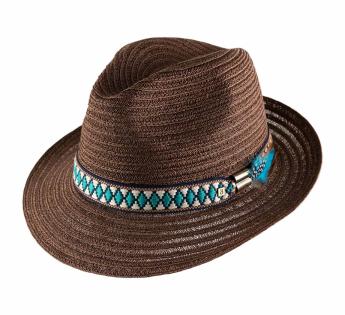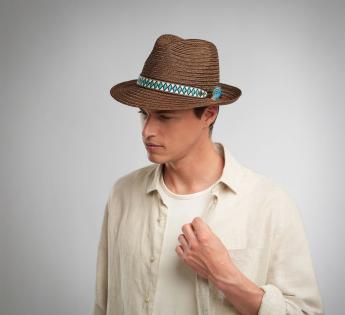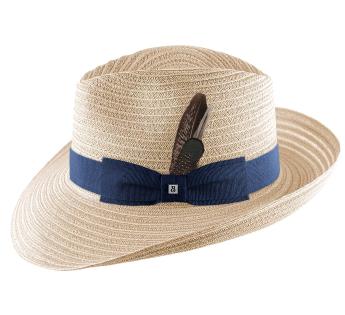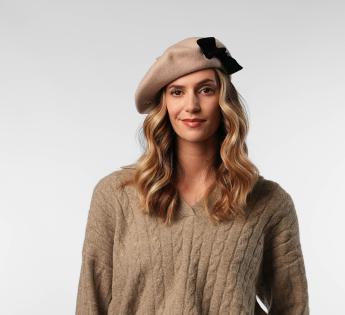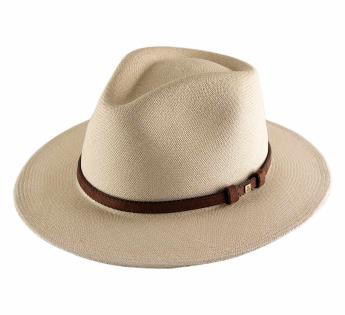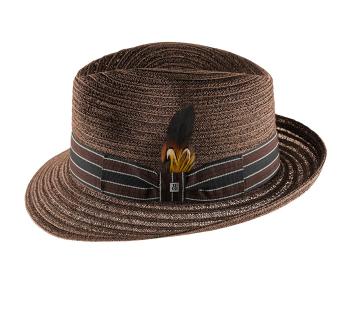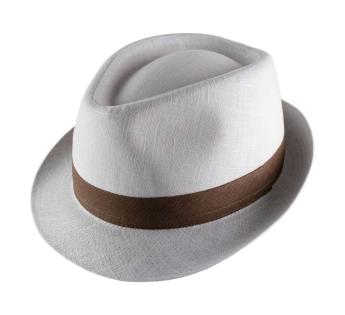

Eco-friendly and Durable!

Eco-friendly hats

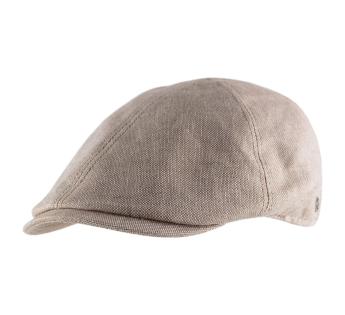
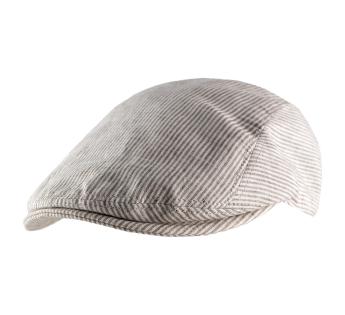
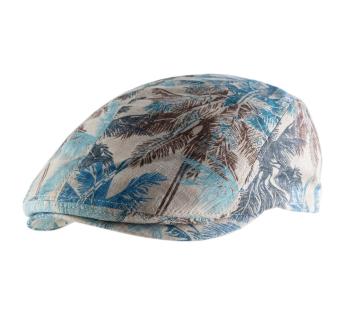
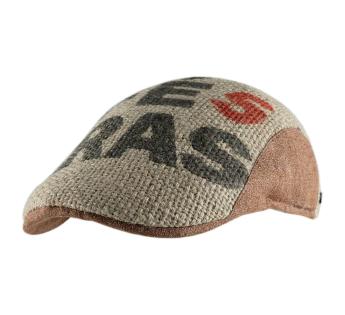
Organic cotton, straw, linen, hemp, certified organic or merino wool, jute, and even nettle fibers (ramie)—when sourced responsibly, these materials are also perfect for crafting hats.

Thermoregulant, absorbent and durable fabric

Derived from plants that naturally withstand both heat and cold, these fibers offer outstanding temperature-regulating properties. They provide a cool sensation in summer and retain warmth in winter.
› More about eco-friendly materials


Autumn/Winter 2025-2026, The Trends
Autumn/Winter 2025-2026, The Trends Three trends, a thousand ways to reveal oneself: this winter, headwear defines the look with contrast, softness, or character.

The Most Eco-Friendly Materials

Natural fibers offer remarkable advantages in hat making: they are often hypoallergenic, resist repeated deformation and UV rays, and their absorbent properties help limit perspiration.
 

“Buy less, choose well, make it last.”

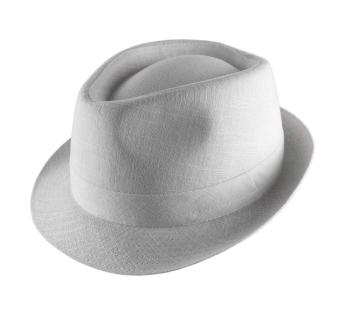
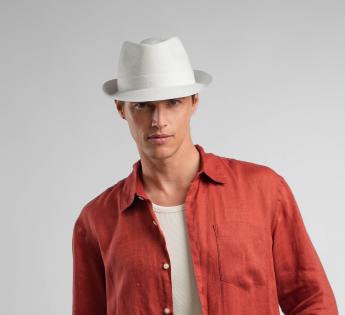
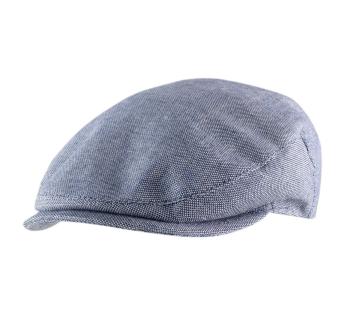
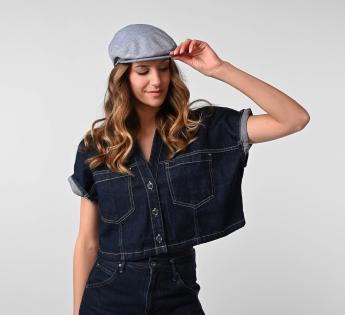
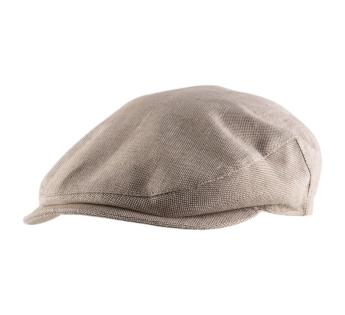
Linen

Grown with minimal water and pesticide use, and requiring zero irrigation, linen’s manufacturing process is also exceptionally energy-efficient. 
France is the world’s leading producer of linen, accounting for 80% of global production.
 
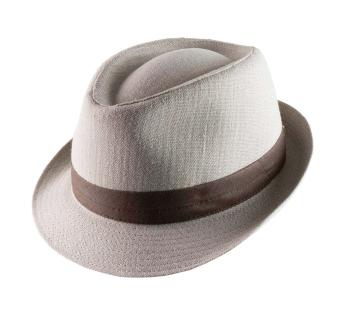
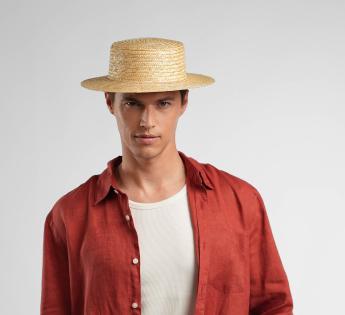
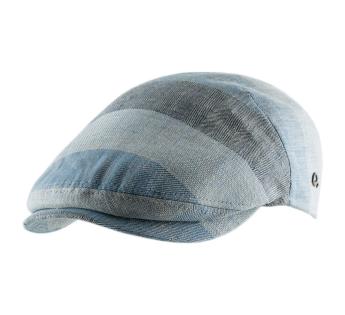
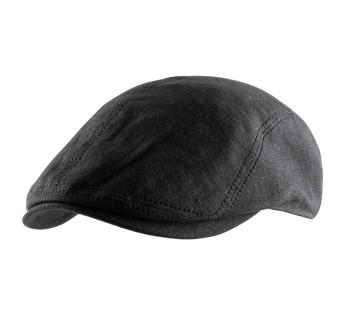
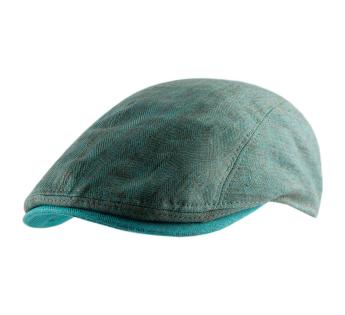
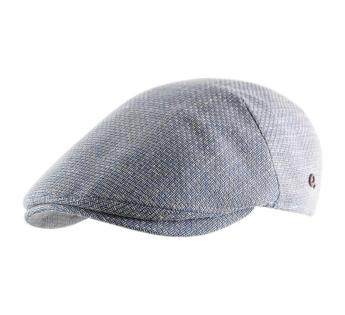
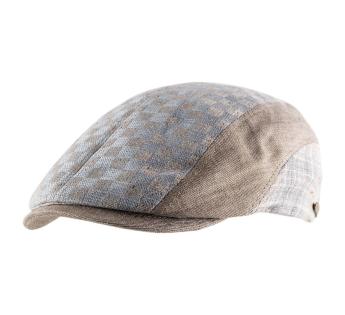
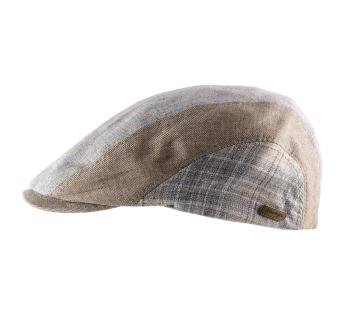
Linen’s many strengths include its lightness and durability, as well as an absorption capacity superior to cotton—making it the perfect choice for summer eco-friendly hats.
 

Organic Cotton

Grown according to strict organic standards, without GMOs or chemical pesticides. It feels soft to the touch and is completely hypoallergenic.
 

Wool: An Eco-Friendly Material?

Wool production consumes less energy than the manufacture of synthetic fibers such as polyester.
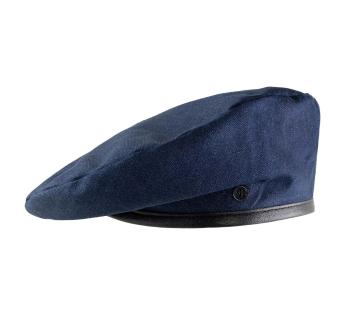
While wool is a high-quality natural fiber, intensive farming and its consequences mean it is not always considered an eco-friendly or ethical material.
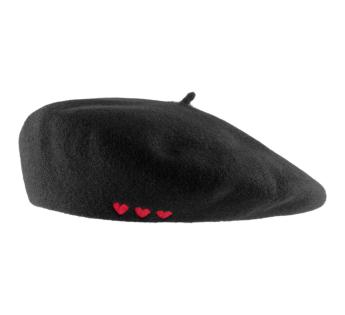
However, organic wool is increasingly available (notably under the Woolmark label), guaranteeing shearing from healthy sheep raised responsibly and without pesticides.

It’s also worth noting that Merino wool comes from a sheep breed that produces significantly more wool. This species is now found in France and Spain.
 

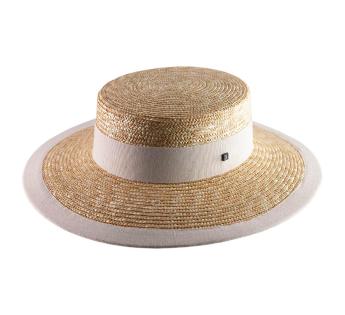
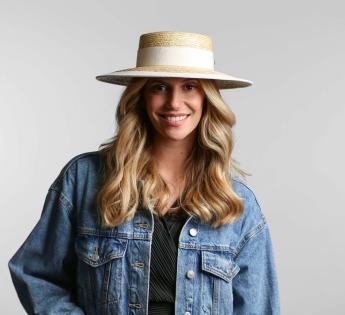
Straw

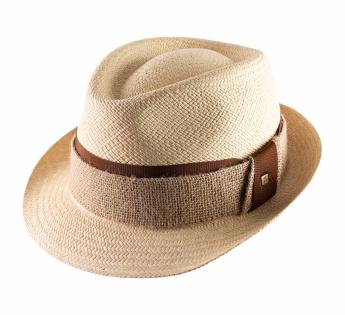
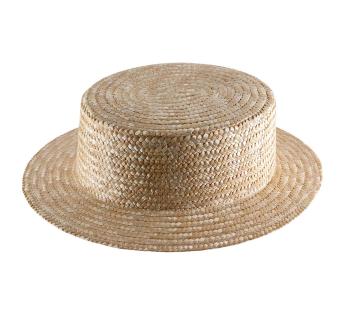
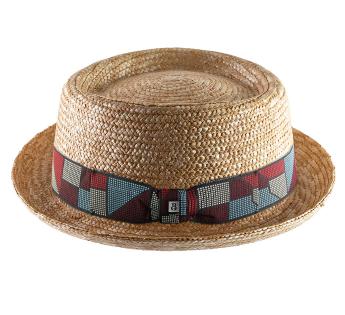
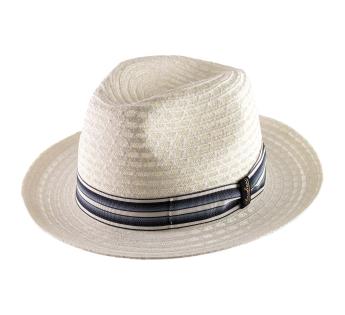
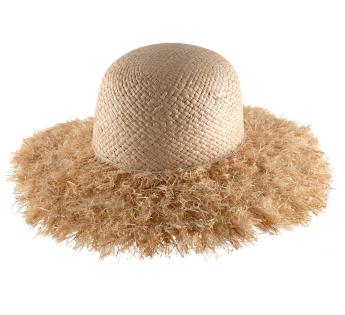
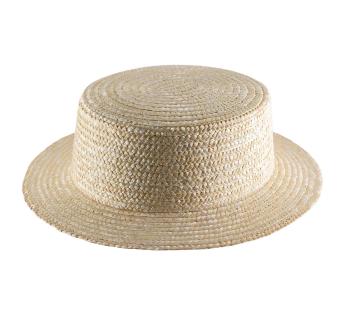
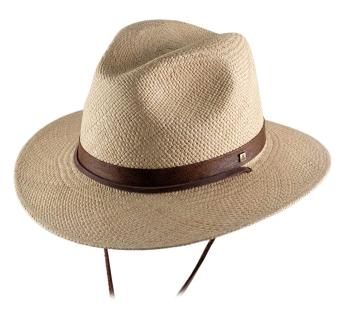
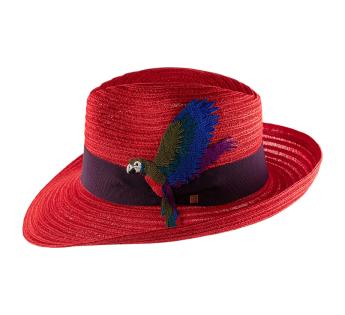
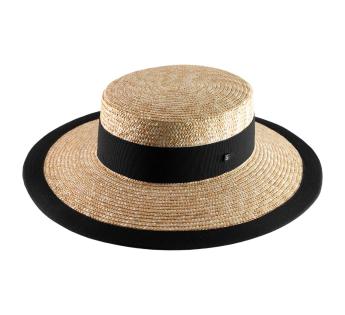
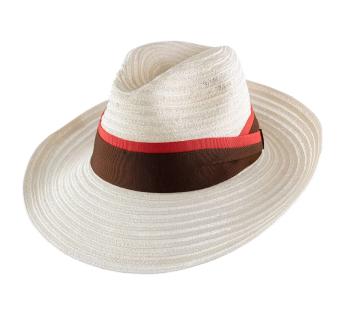
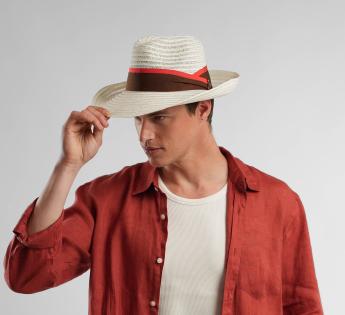
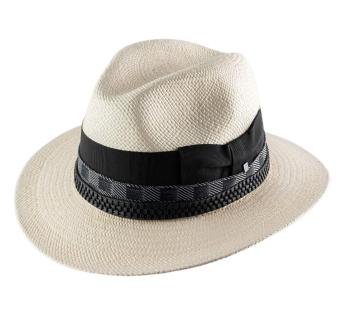
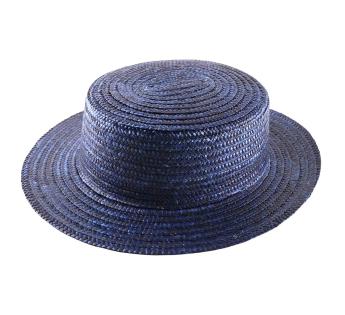
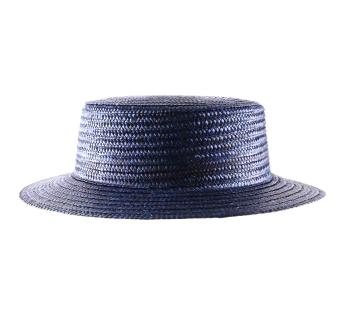
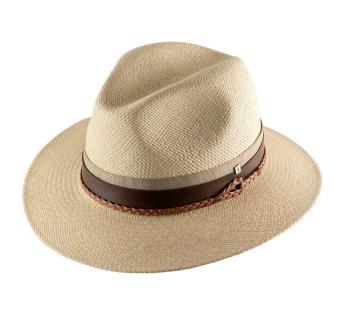
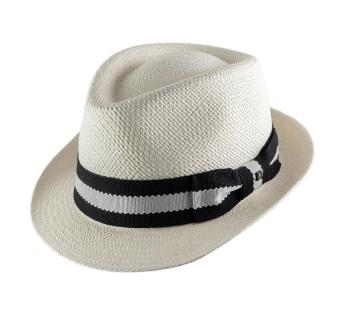
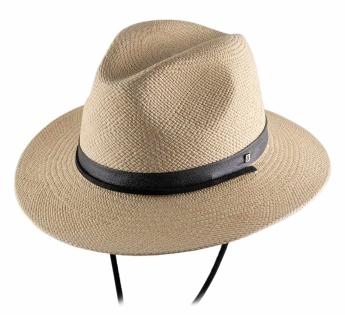
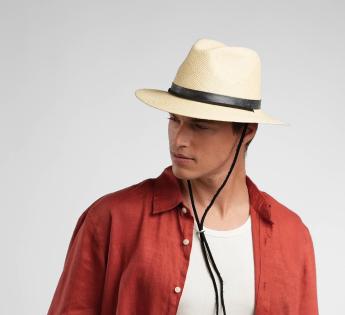
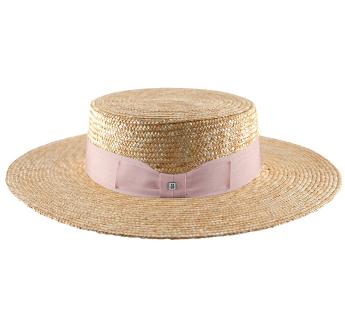
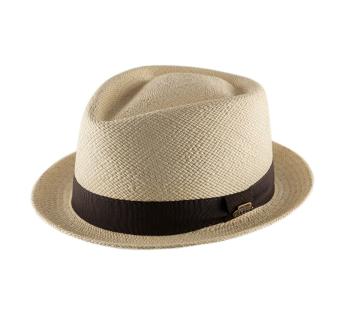
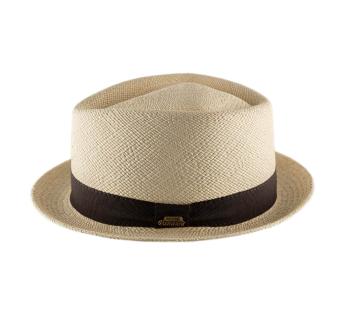
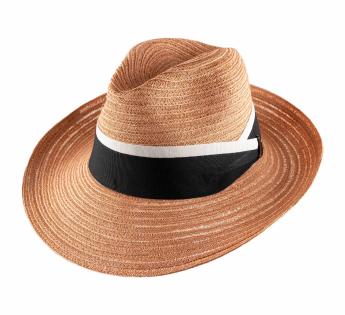
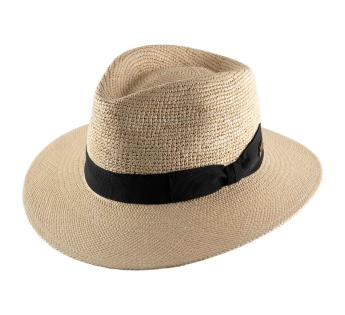
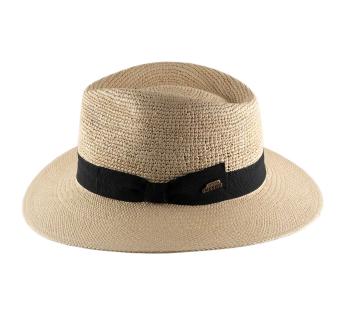
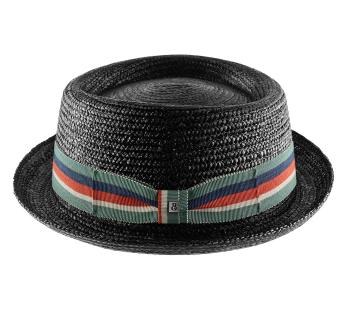
A natural fiber used since antiquity for weaving hats. While wheat straw is the most traditional, the finest weaves come from palm leaves—such as raffia, or the iconic Panama Hat crafted from "palma toquilla."


Among other eco-friendly materials for hats, you’ll also find hemp, nettle fiber (ramie), bamboo fiber, and paper fiber.
 

  1. French Millinery
  2. Eco-friendly hats

Do you want to be redirected?

It looks like you're browsing from United States.

Would you like to switch to our local store to see prices in USD and benefit from local delivery?